See clearly01 / 08
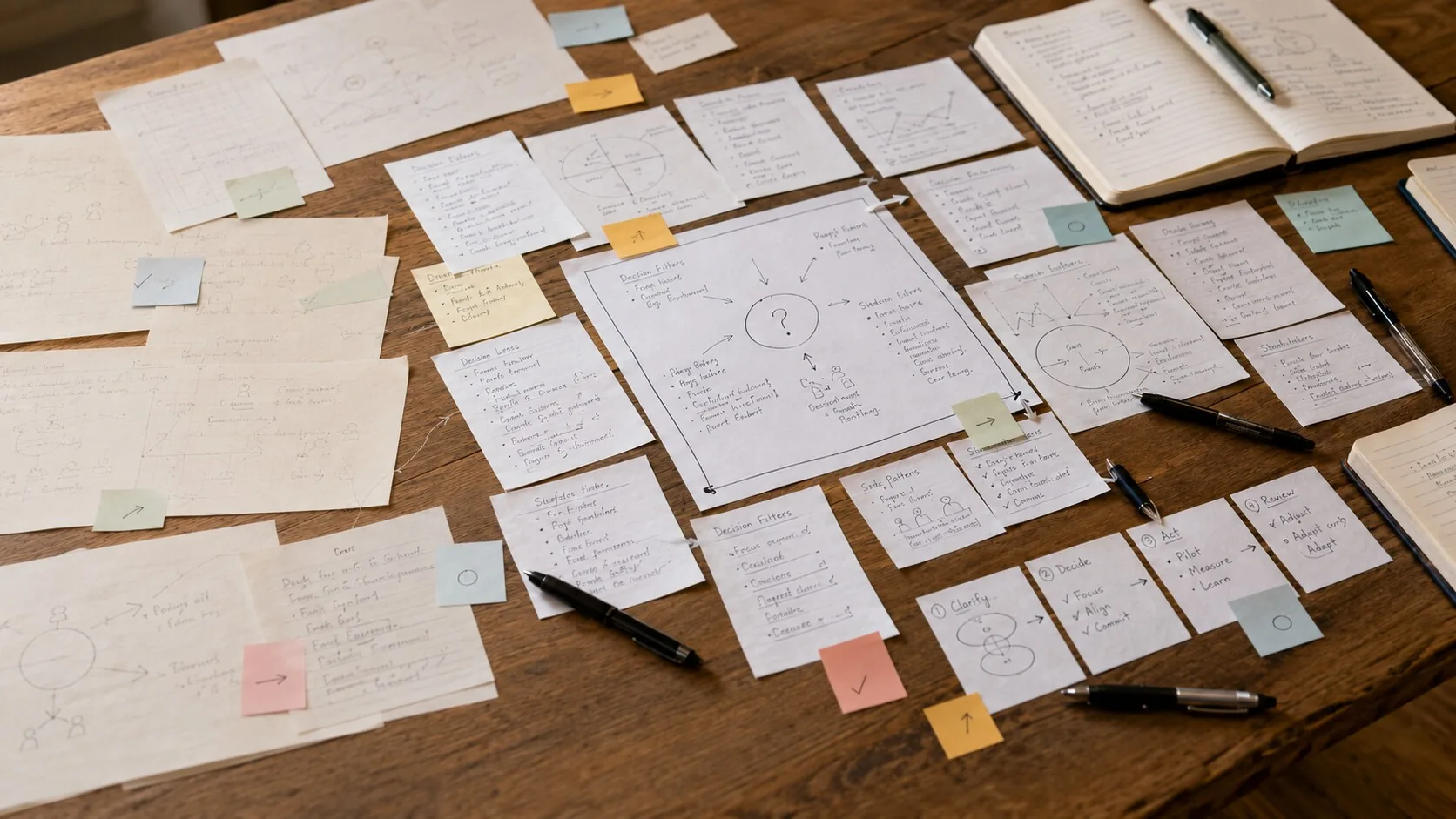
Clarify the pressure point
Which specific skill needs to work better in a real
conversation, group, or leadership situation?
Under time pressure, everything can feel equally urgent. We
separate the immediate trigger from the real issue and the
change you want, distinguish observations from assumptions, and
identify the question that truly needs an answer.
Result
A clear working question instead of a vague sense that
something is wrong.
See clearly02 / 08
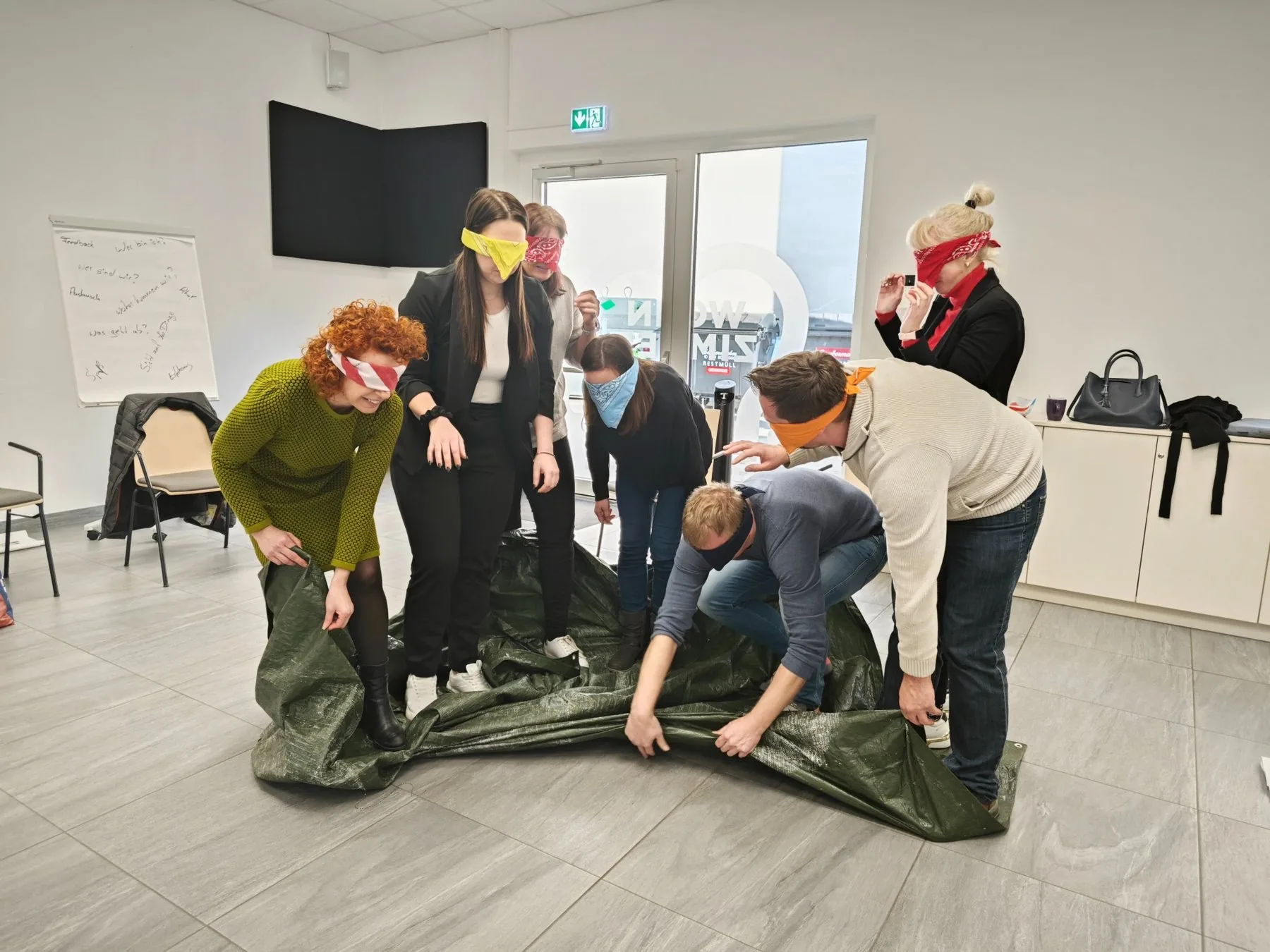
See the different perspectives
We examine the typical situation, the people involved, and the
moments when applying the skill becomes difficult.
People in different roles see the same situation differently. We
examine the relevant interests, expectations, relationships, and
organizational conditions without rushing to decide which
perspective is correct.
Result
A fuller picture that supports better decisions.
See clearly03 / 08
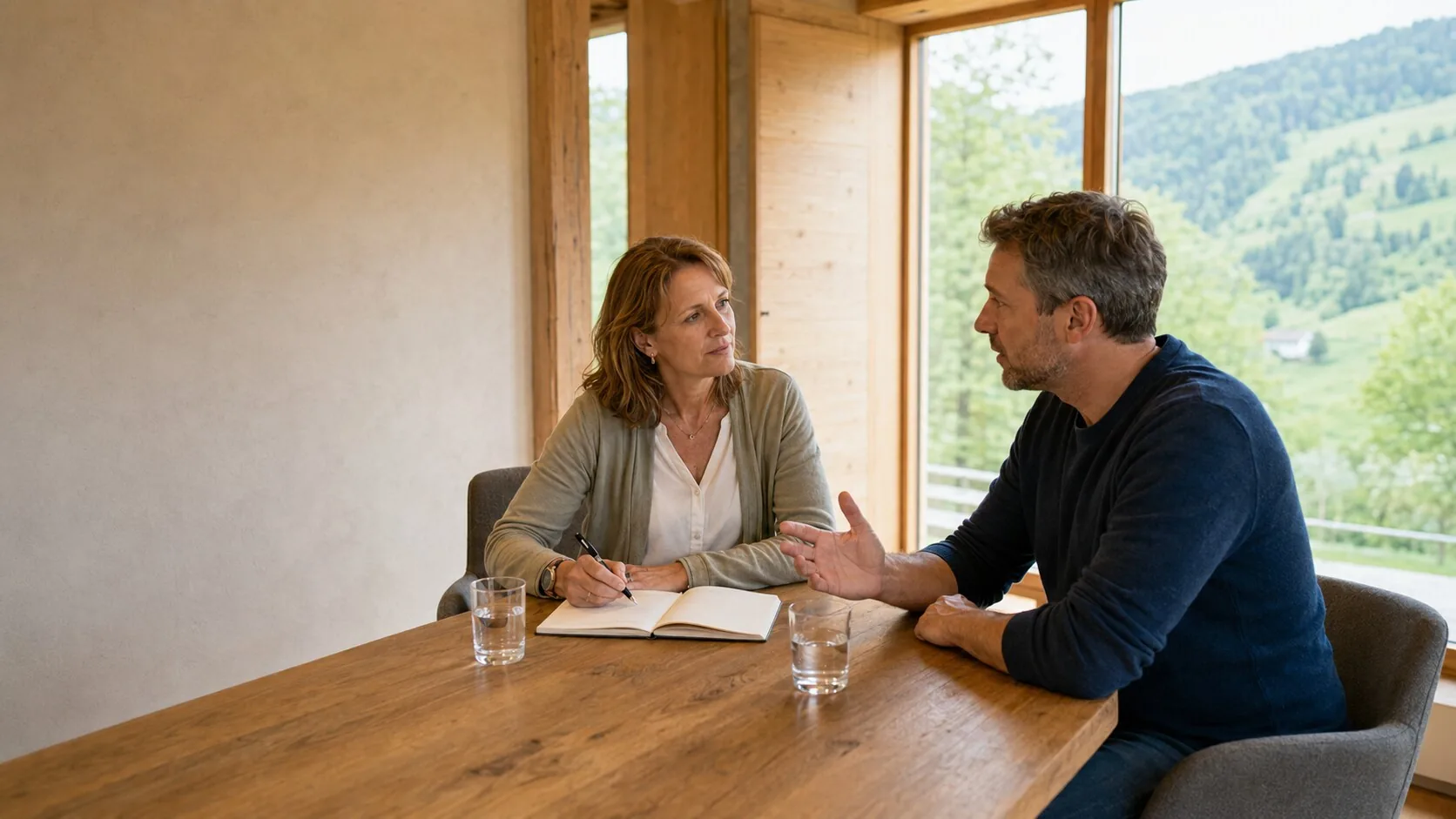
Identify the bottleneck
What happens under pressure: giving advice too quickly, avoiding
conflict, taking control, or losing the thread?
The crucial question is not only what feels difficult, but how
pressure narrows perception. We identify apparent either-or
choices, automatic responses, and recurring patterns that
obscure other possibilities.
Result
The bottleneck becomes visible—and therefore workable.
See clearly04 / 08
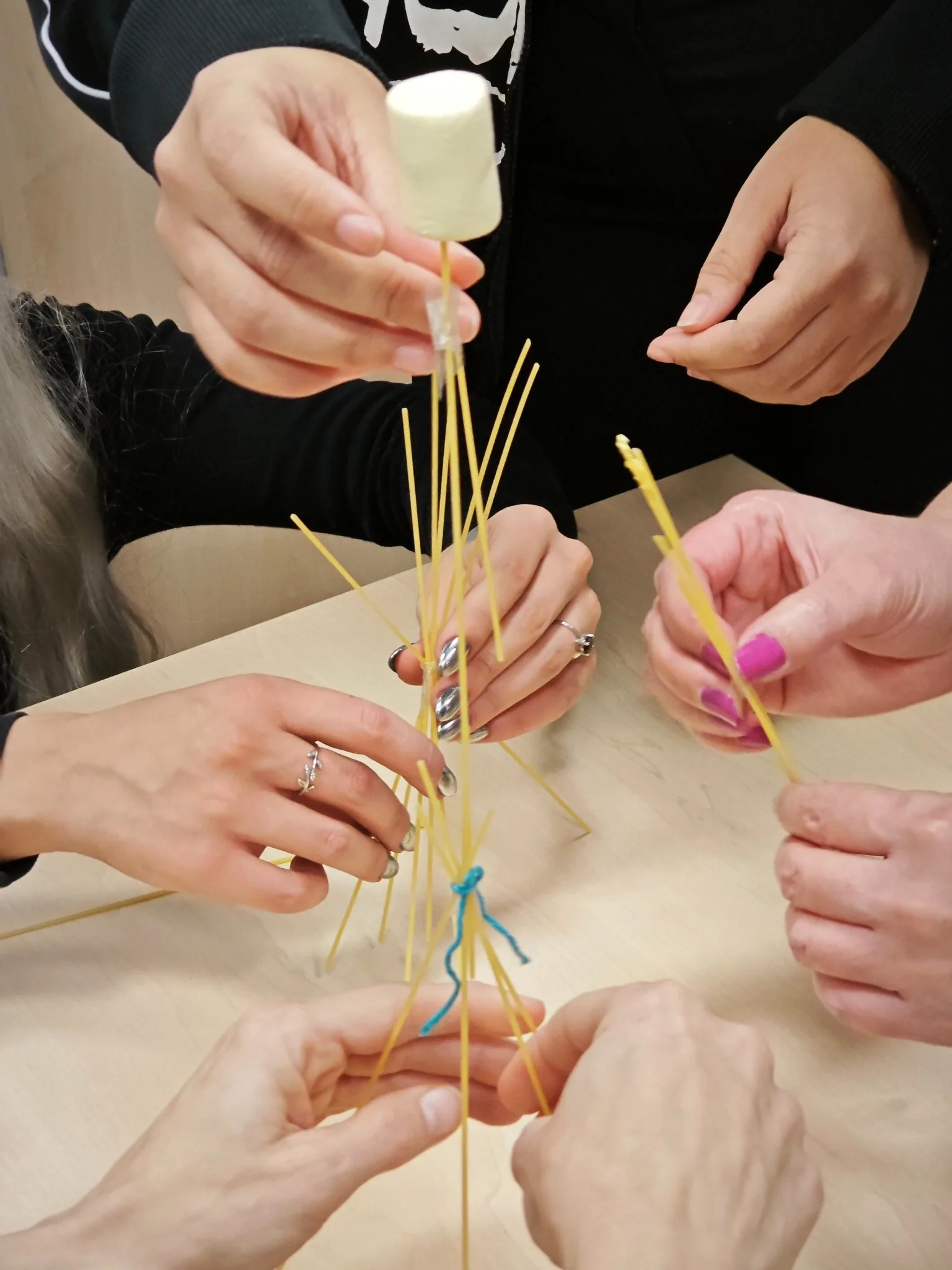
Understand the current approach
The familiar response is not dismissed. We examine what it
protects and where it limits effectiveness.
Even a response that now gets in the way once made sense. Rather
than dismissing it, we examine what it was meant to protect,
when it worked, and where its cost now exceeds its benefit.
Result
The current pattern makes sense without having to remain the
only option.
Expand05 / 08
Expand the options
Concise input and different perspectives open up additional
practical ways to act.
Once the existing logic becomes clear, additional possibilities
emerge. We shift perspective, consider unfamiliar interventions,
and develop alternatives that fit the person, the goal, and the
surrounding system.
Result
Several realistic options instead of the same old either-or
choice.
Expand06 / 08
Define what becomes possible
Each participant defines which concrete skill or response should
be available by the end of the day.
Not every theoretical option works under real-world conditions.
We define what should actually become possible and how it will
show up in day-to-day work.
Result
A clear description of what should become possible in
practice.
Put into action07 / 08
Test the next move
The new action is practiced in realistic situations, improved
through feedback, and tried again.
Insight alone does not change practice. We therefore prepare,
rehearse, or test the new possibility as a conversation,
decision, intervention, or behavior and refine it based on its
actual impact.
Result
A concrete next step that has been rehearsed or tested—not
just discussed.
Put into action08 / 08
Sustain the change
Each participant leaves with a clear next step and a clear
application for everyday work.
Whether a change lasts becomes clear outside the coaching
conversation or training room. We define application,
responsibility, and feedback so the new options can take hold
and continue to develop in day-to-day work.
Result
A practical implementation plan, a feedback loop, and a clear
link to day-to-day work.